Prather Manual Medicine
“Medicine is not a single intervention; it is a spectrum of tools. Pharmaceuticals, surgery, movement, nutrition, and other therapeutic approaches each have a role. The art of medicine begins with understanding the unique dynamics of each individual’s condition. Through clarity comes understanding—allowing the right therapies to be integrated at the right time to support optimal health and function.”
- Dr. Eric J. Prather, DC, BS, DIANM
Why We Use It
A Neuroscience-Based Approach
to Non-Invasive Pain Therapy
Dr. Prather supports a synergistic approach to patient care. We want to understand the condition, understand the options available, and incorporate the best of every approach to formulate a comprehensive plan for our patients.
Manipulation Is More Than a Mechanical Correction
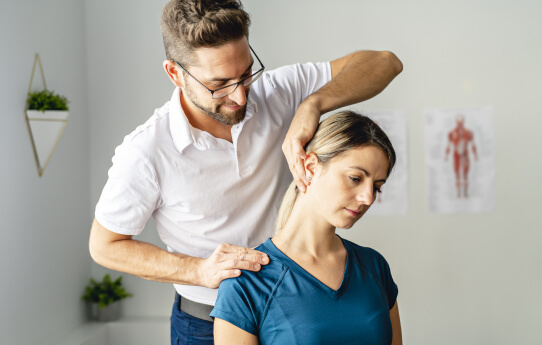
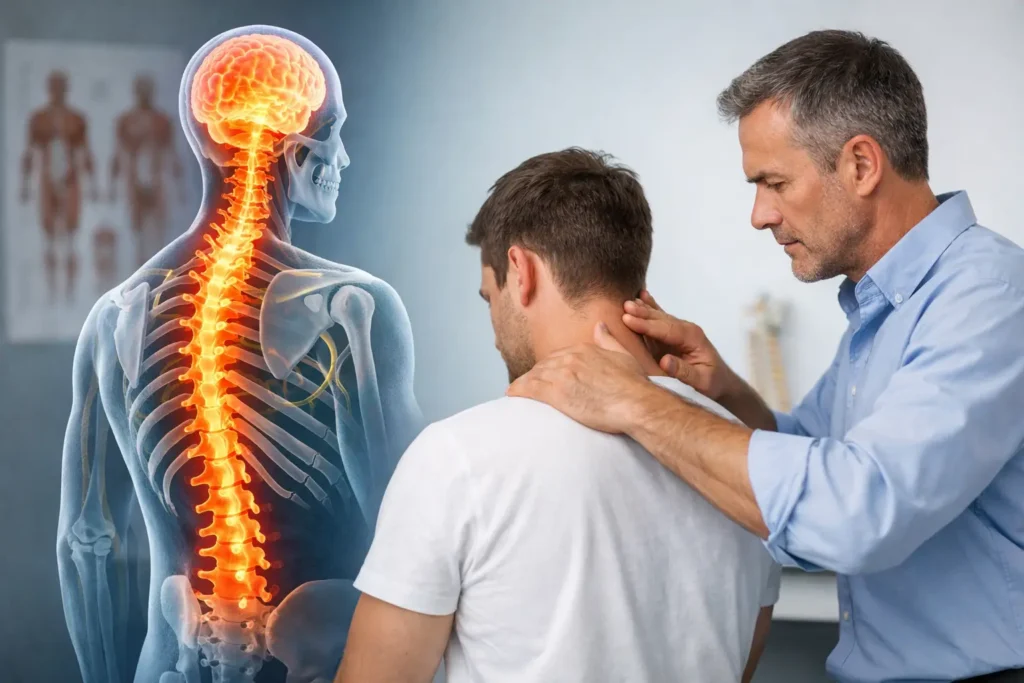
For decades, spinal and joint manipulation was thought to work primarily by improving joint motion and reducing physical restrictions. Modern neuroscience has expanded our understanding.
Research now shows that manipulation creates measurable changes within the nervous system — influencing sensory input, pain processing, muscle activation, and the brain’s perception of movement.
At Prather Neuromusculoskeletal Medicine, manipulation is viewed as a precise neurological intervention designed to restore healthier communication between the body and the brain.
Sources:
- Pickar JG. Neurophysiological effects of spinal manipulation. Spine Journal. 2002.
- Bialosky JE et al. The mechanisms of manual therapy in the treatment of musculoskeletal pain. Manual Therapy. 2009.
- Coronado RA et al. Changes in pain sensitivity following spinal manipulation. Journal of Orthopaedic & Sports Physical Therapy. 2012.
The Brain & Body Are Constantly Communicating
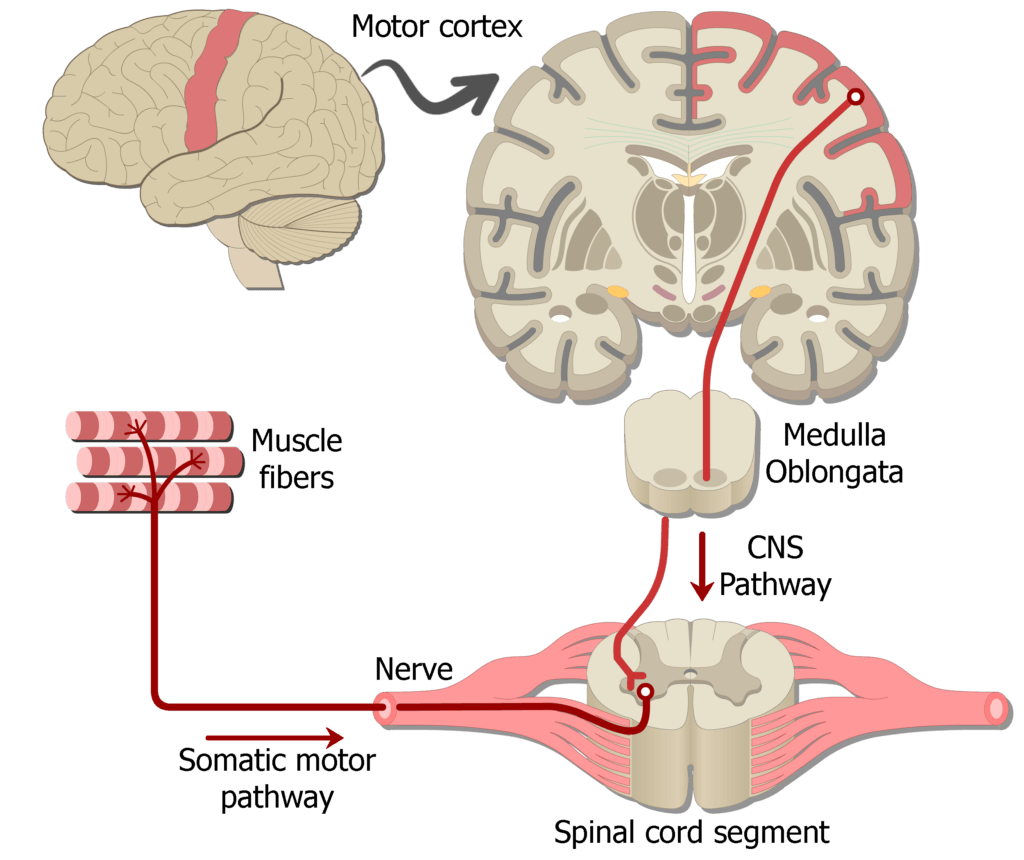
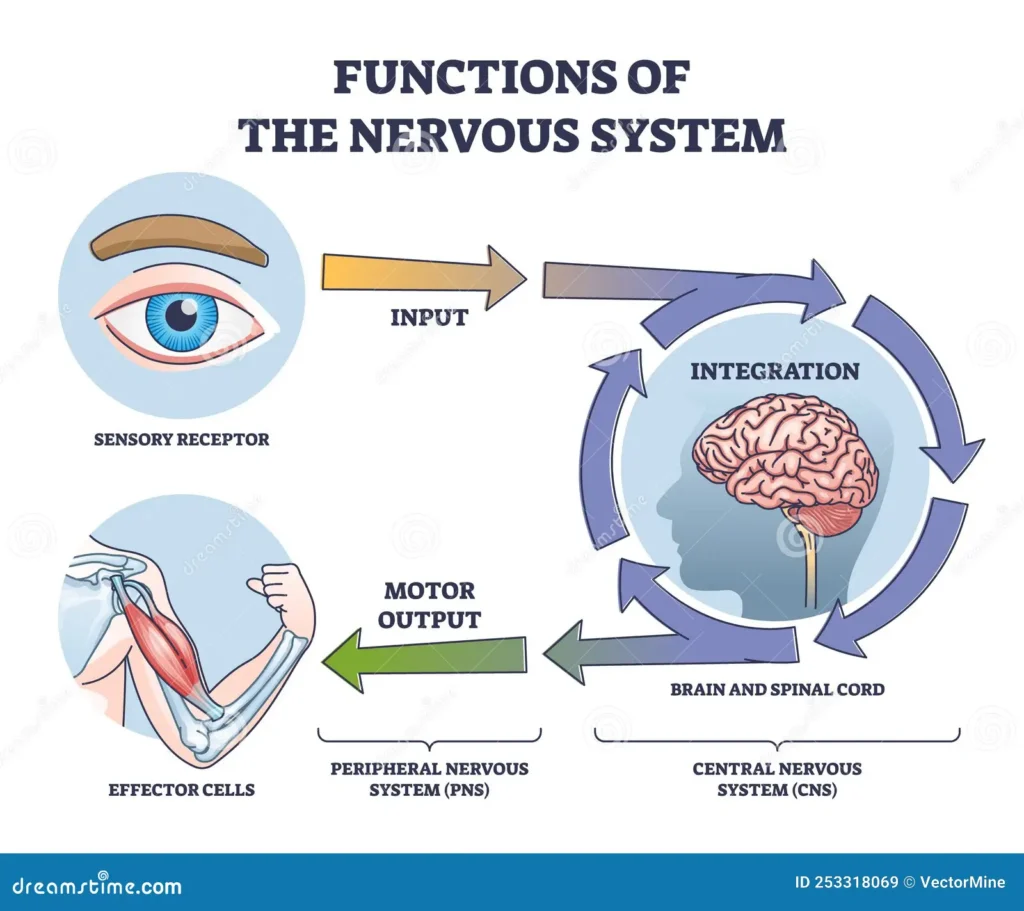
Every movement you make depends on a continuous conversation between your body and your brain.
Throughout your joints, muscles, and connective tissues are specialized sensory receptors that provide the brain with information about position, movement, pressure, and changes in the environment. This process — called proprioception — allows your nervous system to coordinate movement, maintain stability, and adapt to physical demands.
When injury, inflammation, repetitive stress, or altered movement patterns occur, the information being sent to the brain can become distorted. The nervous system may respond by changing muscle activation, increasing sensitivity, or altering movement strategies.
Manipulation provides a precise mechanical stimulus that activates these sensory pathways. By influencing the information entering the nervous system, manipulation may help improve the way the brain interprets and responds to movement.
At Prather Neuromusculoskeletal Medicine, we view the body not as a collection of isolated parts, but as an integrated system where the nervous system guides function, adaptation, and recovery.
Selected Scientific References
- Proske U, Gandevia SC. The proprioceptive senses: their roles in signaling body shape, body position and movement, and muscle force. Physiological Reviews. 2012.
- Sherrington CS. The Integrative Action of the Nervous System. 1906.
- Lephart SM, Riemann BL, Fu FH. Introduction to the sensorimotor system. Proprioception and Neuromuscular Control in Joint Stability. 2000.
How Manipulation Influences the Nervous System
Manipulation does more than move a joint. It delivers a rapid, highly specific sensory stimulus to the nervous system.
Research suggests that this input can influence several neurological processes involved in pain and movement:
Sensory processing
Rapid stimulation of joint and muscle receptors sends information through the nervous system that can influence how the brain perceives and responds to movement.
Pain modulation
Manipulation may activate neurological mechanisms that temporarily reduce the sensitivity of the pain system, helping explain why some patients experience relief immediately following treatment.
Motor control
Manipulation can also produce short-term changes in muscle activation and movement. In the right clinical context, this may help the nervous system access a more efficient movement strategy.
The goal is not simply to “put something back into place.”
The goal is to provide the nervous system with better information — and give the body an opportunity to move and function differently.
Selected Scientific References
Pickar JG. Neurophysiological effects of spinal manipulation. The Spine Journal. 2002.
Bialosky JE, Bishop MD, Price DD, Robinson ME, George SZ. The mechanisms of manual therapy in the treatment of musculoskeletal pain: a comprehensive model. Manual Therapy. 2009.
Coronado RA, Gay CW, Bialosky JE, Carnaby GD, Bishop MD, George SZ. Changes in pain sensitivity following spinal manipulation: a systematic review and meta-analysis. Journal of Orthopaedic & Sports Physical Therapy. 2012.
Precision Matters
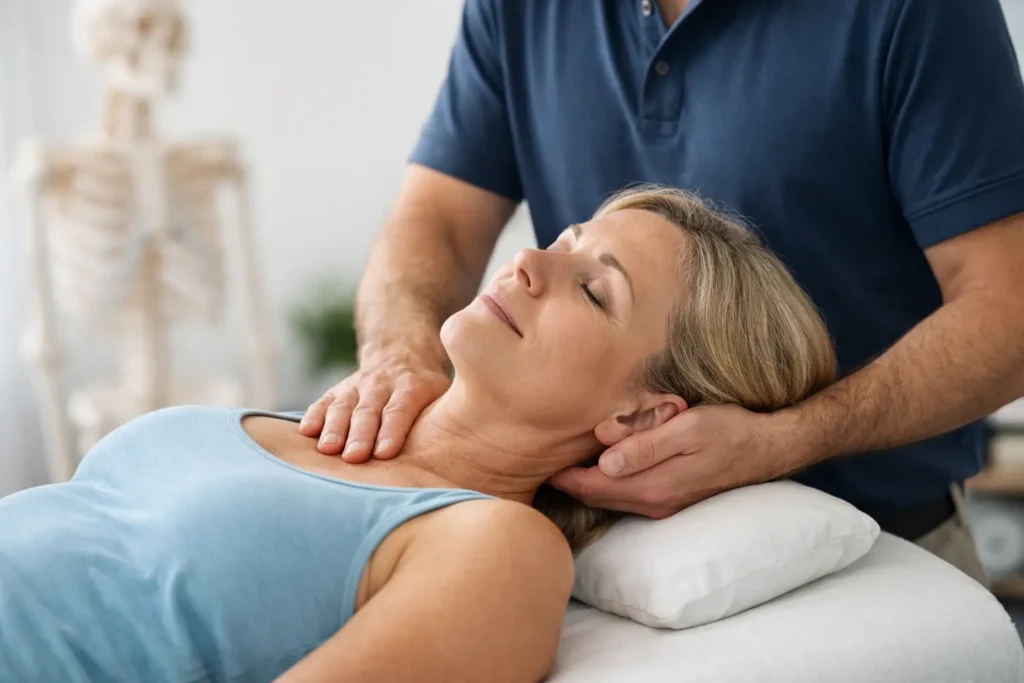
Manipulation is not a one-size-fits-all procedure.
The nervous system responds to where, how, and why a stimulus is applied. That is why effective manipulation begins with assessment—not simply identifying where something hurts.
At Prather Neuromusculoskeletal Medicine, treatment is guided by the individual’s movement patterns, neurological findings, joint function, and clinical presentation. The goal is to identify which regions may benefit from manual input and select the appropriate technique, direction, and intensity.
Sometimes manipulation is appropriate. Sometimes another form of treatment is more appropriate.
The objective is not to manipulate more. It is to manipulate with purpose.
That distinction is central to the Prather approach: using manual therapy as one component of a broader strategy designed to improve movement, reduce pain, and restore function.
Dr. Prather's Approach
Prather Manual Medicine is not a technique performed in isolation. It is part of a comprehensive neuromusculoskeletal approach to understanding and treating pain and movement disorders.
Each patient is assessed as an integrated system—considering the spine, extremities, nervous system, movement patterns, and the factors that may be contributing to their condition.
Manipulation may be used to provide targeted sensory input, improve joint and movement function, and influence the nervous system. It may then be combined with other forms of care when appropriate, including active movement, rehabilitation, decompression, and other non-invasive therapies.
The treatment is not the technique. The treatment is the strategy.
Prather Manual Medicine is designed to be precise, purposeful, and clinically driven—with the goal of helping difficult cases move toward better function and lasting improvement.
Better Information. Better Movement. Better Function.
The Prather Criteria
Consultation & History
During a consultation and history, Dr. Prather interviews the patient about their health concerns. Dr. Prather will ask detailed questions in order to establish a working diagnosis.
Examination
Neuromusculoskeletal examinations combine orthopedic and neurological testing that is designed to reveal both overt and covert areas of concern. Lab studies may be ordered as well.
Diagnostic Imaging
X-ray analysis will be utilized for initial assessments. MRI, CT, and other advanced imaging may be ordered by Dr. Prather for greater clinical clarity.
Patient Education
Dr. Prather loves patient clarity. There is significant evidence in the medical research that demonstrates patient understanding correlating with better outcomes.
Best Recommendations
Based on your diagnosis, Dr. Prather with explain his treatment protocols for your condition and what is expected. A referral to another specialist will be performed if necessary.
Your Health Outcome is Our Priority
If you are living in pain, and nothing has seemed to help, please consider seeing Dr. Prather at Prather Neuromusculoskeletal Medicine for a thorough evaluation.