Non-Surgical
Orthopedic Decompression
Dr. Prather combines Manual & Mechanized Orthopedic Decompression
with Gentle, Fat Reduction Technology to treat
spinal joint, disc, hip, knee and upper extremity conditions.
Dr. Prather Combines
Manual & Mechanical Orthopedic Decompression
for Spine & Extremity Pain
Orthopedic decompression is most effective when treatment is customized to the individual patient and their specific spinal condition. Combining manual decompression techniques with mechanical/advanced decompression therapy allows for a comprehensive approach to reducing spinal stress, improving mobility, and restoring function.
Manual decompression uses precise hands-on techniques to assess movement restrictions, improve joint mechanics, reduce pain quickly, and prepare the spine for corrective care.
Mechanical decompression, using advanced non-surgical technology, provides controlled, targeted unloading forces designed to reduce stress on spinal discs, joints, and nerve structures.
By integrating both approaches, treatment can address the mechanical causes contributing to pain and dysfunction while supporting improved spinal movement and long-term recovery.
The Anatomy of Herniated Discs
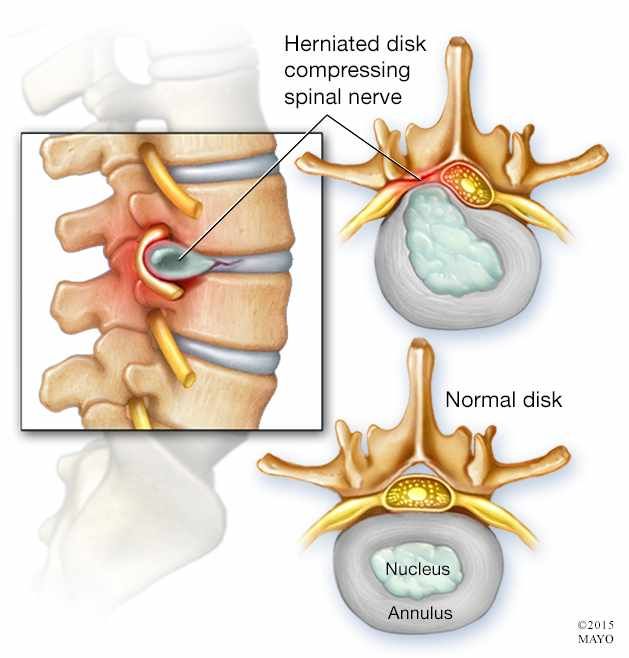
Spinal discs act as the body’s natural shock absorbers, separating each vertebra and allowing the spine to move while cushioning the forces of everyday activities. Each disc has two primary components: a soft, gel-like center called the nucleus pulposus and a strong outer ring called the annulus fibrosus, which is made up of layers of tough fibrocartilage that securely attach to the adjacent vertebrae.
Over time, repetitive stress, injury, poor spinal mechanics, or age-related degeneration can weaken the annulus fibrosus, allowing small tears or fissures to develop. As these defects progress, the gel-like nucleus pulposus can migrate into the damaged areas, causing the disc to bulge or herniate. If the bulging disc compresses or irritates a nearby spinal nerve, it may result in pain, numbness, tingling, weakness, or sciatica radiating into the arms or legs.
How Spinal Decompression Helps
Spinal decompression is a non-surgical treatment designed to gently reduce pressure within the spinal discs and surrounding joints. By carefully stretching the spine in a controlled manner, decompression creates a favorable mechanical environment that may help relieve pressure on irritated nerves, reduce stress on damaged discs, and improve spinal mobility.
Healthy spinal discs depend on movement to exchange nutrients and maintain hydration. By restoring normal motion and reducing abnormal mechanical forces, spinal decompression may help support the disc’s natural nutrient exchange while reducing the stresses that contribute to pain and degeneration.
When combined with targeted rehabilitation, improved movement patterns, and physician-guided care, spinal decompression can help reduce pain, improve mobility, and restore function—allowing many patients to return to the activities they enjoy without surgery.
Cervical Spinal Decompression
Cervical spinal decompression is a gentle, non-surgical treatment designed to reduce pressure on the discs, joints, and nerves of the neck. By creating controlled stretching and unloading of the cervical spine, decompression may help improve spinal movement, reduce irritation, and support the body’s natural healing process.
It is commonly used for conditions such as neck pain, cervical disc bulges or herniations, degenerative disc changes, pinched nerves, and pain that travels into the shoulders, arms, or hands.
At Prather NMSK, cervical decompression is combined with a comprehensive evaluation and personalized treatment approach designed to address the underlying mechanical causes of your symptoms—not just mask the pain.
Decompression & Fat Reduction:
A Synergistic Approach
Combining orthopedic decompression with a physician-guided fat reduction program provides a comprehensive approach to improving both musculoskeletal health and overall wellness.
Benefits May Include:
- Reduces mechanical stress on spinal discs, joints, and nerve structures
- Helps improve spinal mobility and movement efficiency
- Supports relief from neck and back pain associated with compression and dysfunction
- Promotes improved posture and functional movement
- Supports weight reduction to decrease stress and load on the spine
- Helps improve daily activity tolerance and physical performance
- Addresses the relationship between excess body weight and spinal strain
- Provides a structured approach combining advanced technology, clinical guidance, and lifestyle support
- Encourages long-term health improvements through sustainable weight management and improved biomechanics
- Supports a healthier, more active lifestyle with reduced limitations from pain and excess weight
Find a Safe, Effective Treatment for Herniated Discs
Book an appointment with Dr. Prather’s certified team of chiropractors today.